



Energy & Natural Resources
The petroleum sector in Ghana: key institutions and their roles
 14 mins (approx.)

Introduction
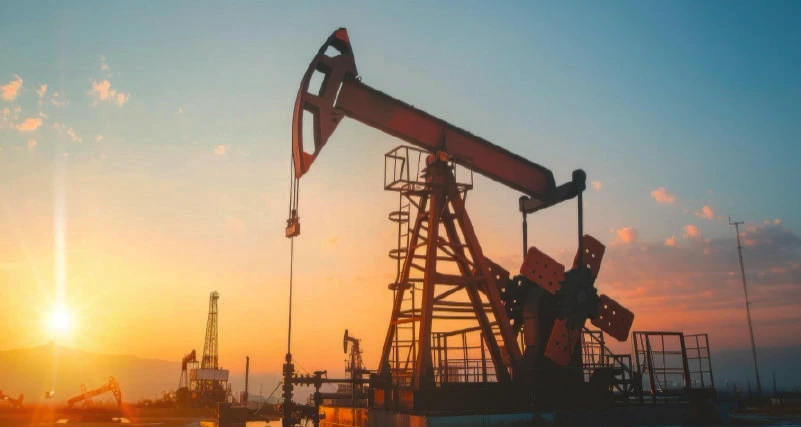
The petroleum sector in Ghana is a composite term that is used to describe the industry that engages in all activities for the exploitation, extraction, refinery, marketing and distribution of oil and gas resources. It therefore encompasses the upstream, midstream and downstream sectors.
Within these sectors, there exist vital institutions that play various regulatory, oversight and operational roles that are essential to the efficient and proper functioning of the industry. It is therefore imperative for players in the petroleum sector to be adequately informed of the nature and operations of these important institutions.
This paper seeks to provide a comprehensive analysis of the key institutions that govern Ghana’s petroleum sector. It highlights their respective statutory mandates, the legal and operational interdependencies that define their relationships, and the persistent challenges that shape the industry's governance landscape.
The Legal Foundation of Ghana's Petroleum Sector
The bedrock of Ghana's petroleum governance lies in its constitutional provisions and a series of legislative enactments. A holistic reading of the 1992 Constitution of Ghana and the Petroleum (Exploration and Production) Act, 2016 (Act 919) puts it beyond doubt that all-natural petroleum existing in its natural state within the jurisdiction of the Republic is vested in the President on behalf of the people.72These provisions underscore the state's ultimate ownership and control over these strategic resources. In line with the country's strategic approach to create an efficient and sustainable institutional framework for the petroleum sector, several laws have been passed to delineate the roles and responsibilities of various institutions, namely;
a. Petroleum (Exploration and Production) Act, 2016 (Act 919): This Act, building upon its predecessor, the Petroleum (Exploration and Production) Law, 1984 (PNDCL 84), governs the upstream sector, including exploration, development, and production activities.73Among other key provisions, it stipulates that a person, other than the Ghana National Petroleum Corporation (GNPC), shall not engage in these activities except through a petroleum agreement with the Republic and GNPC.74 b. Ghana National Petroleum Corporation Act, 1983 (PNDCL 64): This foundational law established the Ghana National Petroleum Corporation, defining its objects, functions, and powers in the petroleum sector.
c. National Petroleum Authority Act, 2005 (Act 691): This Act established the National Petroleum Authority (NPA), providing the legal basis for regulating the downstream petroleum industry.
d. Petroleum Commission Act, 2011 (821): This Act established the Petroleum Commission, providing the legal basis for regulating and managing the upstream petroleum industry in Ghana.
e. Petroleum Revenue Management Act, 2011 (Act 815): This Act provides the framework for the collection, allocation, and management of petroleum revenues, establishing key oversight bodies like the Public Interest and Accountability Committee (PIAC).
Key Institutions and Their Mandates Ghana's petroleum sector is governed by a multi-faceted institutional landscape, broadly categorized into upstream (exploration and production) and downstream (refining, distribution, and marketing) segments. Ministry of Energy (and Green Transition)
The Ministry of Energy, headed by the Minister responsible for petroleum and power, plays a crucial policy, supervisory, and oversight role in the petroleum sector. The Minister represents the Republic in negotiations for and entry into petroleum agreements. The Ministry monitors the release and storage of petroleum products at strategic storage depots to ensure a minimum reserve stock. It also receives reports from the NPA Board on industry activities.
The Minister has the authority to prescribe policy guidelines for the GNPC and is actively involved in ongoing reforms, such as the review of the downstream petroleum sector to align with modern standards and the development of a comprehensive downstream law. The Ministry also spearheads the ambitious Petroleum Hub project, aiming to expand Ghana's energy infrastructure with new refineries, hydro chemical plants, and tank farms. It emphasizes promoting indigenous capacity in the oil and gas sector.
Ghana National Petroleum Corporation (GNPC)
Established under the Ghana National Petroleum Corporation Act, 1983 (PNDCL 64), GNPC is the national oil company and a principal player in Ghana's petroleum sector.
GNPC's core mandate is to undertake the exploration, development, production, and disposal of petroleum. This includes promoting the orderly and planned development of petroleum resources, ensuring Ghana derives maximum benefits, facilitating technology transfer, developing national capabilities in all aspects of petroleum operations, and ensuring environmentally sound practices.
GNPC can engage in petroleum operations alone or in association with other contractors through petroleum agreements. It also advises the Minister responsible for Fuel and Power and the National Energy Board on petroleum operations.
Beyond exploration and production, GNPC is empowered to buy, sell, trade, store, import, and export petroleum, and to acquire or operate related installations and transportation means. It also conducts research and development programs. GNPC is mandated to operate on sound commercial principles.
Historically, it has been involved in the collection of specific levies, such as the strategic stock levy and the exploration levy, intended for infrastructure development and exploration projects.
National Petroleum Authority (NPA)
The National Petroleum Authority, established by the National Petroleum Authority Act, 2005 (Act 691), is the primary regulator of the petroleum downstream industry.
The NPA's main objective is to regulate, oversee, and monitor activities within the petroleum downstream industry, including the application of the prescribed petroleum pricing formula.
Its extensive functions include prescribing the pricing formula for the prices of petroleum products and monitoring its enforcement and implementation, granting and regulating licenses for various downstream activities such as refinery operations, storage depots, bulk transportation, and marketing, maintaining a comprehensive register of licensees, petroleum products, and service providers, and providing guidelines for petroleum marketing operations and promoting fair competition, among others.
Petroleum Commission (PetCom)
The Petroleum Commission is the key regulatory body for the upstream petroleum industry, distinct from the NPA, which handles the downstream. It is established by the Petroleum Commission Act, 2011 (821).
The Petroleum Commission is responsible for regulating and managing the country's petroleum resources in the upstream sector. This includes empowering and assisting local suppliers and companies to become sustainability oriented.
The Commission signs agreements for advanced geological data acquisition, such as 3D seismic data, to deepen understanding of Ghana's oil reserves and attract investment. It is also actively pursuing amendments to the fiscal regime to introduce tailor-made fiscal elements for specific oil blocks, aiming for a more progressive two-tier royalty scheme. The Petroleum Commission encourages existing operators to invest more in exploration and reviews regulatory requirements to make them more flexible and attractive to new investments. The government has specifically directed the Petroleum Commission to build the capacity of indigenous oil and gas entities to increase their participation in the upstream industry.
Public Interest and Accountability Committee (PIAC)
Established under the Petroleum Revenue Management Act, 2011 (Act 815), the PIAC is an independent oversight body. PIAC is tasked with monitoring the management and use of Ghana's petroleum revenues. It prepares and publishes statutory reports to inform the public and stakeholders on petroleum production, liftings,75 total revenues, and their utilization, including allocations to the Annual Budget Funding Amount (ABFA) and the management of the Ghana Petroleum Funds (Ghana Stabilization Fund and Ghana Heritage Fund). PIAC plays a crucial role in identifying challenges in the sector, such as declining production trends and discrepancies in fund management, and advocates for policy reforms to ensure prudent management of petroleum revenues.
Other Related Institutions
Several other institutions contribute to the governance and operations of Ghana's petroleum sector:
Parliament of Ghana: Parliament holds a critical oversight role, particularly through its power to ratify petroleum agreements and approve loans to state entities like GNPC. It is also the body to which PIAC makes recommendations regarding the management of petroleum revenues, including proposals for legislative amendments.
Ministry of Finance: This Ministry plays a vital role in fiscal policy related to petroleum, including petroleum income tax and the management of petroleum funds. It approves aspects of GNPC's financial operations, such as the management of its reserve fund.
Ghana Standards Authority (GSA): In consultation with the NPA Board, the GSA is responsible for setting specifications for all types of fuel and fuel-related products, including the allowable content of additives.
Environmental Protection Agency (EPA): As a relevant institution, the EPA collaborates with the NPA and other bodies to ensure that petroleum operations are conducted in an environmentally responsible manner. While the Petroleum (Exploration and Production) Law holds operators responsible for pollution, there is an ongoing need for specific regulations to prevent, reduce, and control environmental damage.
Ghana Revenue Authority (GRA): The GRA is responsible for the collection and administration of various taxes and levies on petroleum products and operations, including income tax, petroleum taxes, and energy sector levies. PIAC often makes recommendations to the GRA regarding the recovery of outstanding payments and ensuring timely adherence to regulations.
Ghana National Gas Company (GNGC): Incorporated in 2011, GNGC is responsible for the construction, ownership, and operation of Ghana's natural gas infrastructure. Its mandate includes the gathering, processing, transportation, and marketing of natural gas resources. GNGC supplies gas to the Volta River Authority (VRA) for power generation and is actively developing a second gas processing facility to manage growing gas output and reduce the environmentally and economically wasteful practice of gas flaring.
Petroleum Hub Development Corporation (PHDC): This new entity was established pursuant to the Petroleum Hub Development Corporation Act 2020 (Act 1053) to promote and develop a petroleum and petrochemical hub. The institution is also mandated to coordinate with regulatory bodies such as EPA, NPA, Petroleum Commission and Ghana Ports and Harbours Authority (GPHA) for the provision of relevant licences and permits. It further expedites collaboration with investors involved in the development of Ghana's ambitious Petroleum Hub project.
Interrelationships and Synergies
The effective governance of Ghana's petroleum sector relies heavily on the collaboration and clear delineation of responsibilities among these institutions. The NPA, for instance, works closely with the Ghana Standards Authority to ensure product quality and with petroleum service providers to enforce performance standards in the downstream industry.
GNPC, while an operational entity in the upstream, also advises the Ministry of Energy and engages with Parliament on petroleum agreements. PIAC serves as a crucial independent watchdog, providing accountability by monitoring revenue utilization and making recommendations to both the Executive and Legislative branches. The Ministry of Energy acts as the central policy-making body, coordinating efforts across the sector and initiating reforms that impact all players.
Historical Evolution, Current Challenges, and Ongoing Reforms
Ghana's petroleum institutional framework has evolved significantly since the initial discoveries in 2007, transitioning from earlier PNDC Laws to more comprehensive Acts of Parliament.
Prior to the 2007 oil discovery, Ghana's legal framework for upstream activities was governed by the Petroleum (Exploration and Production) Act, 1984 (PNDCL 84), which was characterized by an "open-door" licensing policy based on direct negotiations. This era saw the Ghana National Petroleum Corporation (GNPC), established by the GNPC Act, 1983 (PNDCL 64), functioning not only as the national oil company but also as the de facto regulator, as most of the sector's technical expertise was concentrated within it. This concentration of both commercial and regulatory power in a single entity presented inherent conflicts of interest.
The significant oil discovery in 2007 prompted a critical re-evaluation of this governance model. The subsequent legislative reforms, as highlighted in the paragraphs above, were a deliberate legal response to unbundle these conflicting roles, separating the commercial function of exploration and production from the regulatory and oversight responsibilities. This new legal architecture was designed to create a more transparent and accountable system. The aim was to establish a multi-agency, specialized structure that would foster a mature and well-governed petroleum industry, thereby ensuring that Ghana's natural resources are managed for the collective benefit of its citizens. This evolution reflects a growing understanding of the sector's complexities and the need for specialized regulatory bodies.
The institutional framework of Ghana's petroleum sector, while robust in its design, faces significant legal and operational challenges that undermine its effectiveness. A critical analysis reveals that the persistent challenges of the institutional framework of Ghana's petroleum sector are primarily rooted in the complex interplay between these institutions. Some of these challenges are highlighted below:
Independence of Oversight Institutions: Perhaps the most prominent concern regarding the independence of bodies with oversight responsibilities is the jurisdictional overlap between GNPC and the Petroleum Commission. While the law mandates the Petroleum Commission to regulate all upstream activities, GNPC's historical and institutional dominance creates a clear power asymmetry. This situation means the regulator, a relatively young institution, must constantly navigate a complex relationship with the very entity it is tasked with overseeing, which poses a significant threat to its independence. Furthermore, the PIAC, while mandated to ensure accountability, faces challenges related to its funding mechanisms, which can potentially compromise its independence.
Declining Production: Ghana has experienced a worrying decline in crude oil production since 2019, attributed to factors such as natural depletion of mature fields, investment challenges (including unfavorable fiscal terms and global energy transition policies), operational difficulties, and a lack of high-quality data to attract new exploration.76
Political Interference: There are concerns that political interference can stifle the potential of key institutions like GNPC and the Petroleum Commission, leading to inefficiencies and impacting investor confidence.77 Beyond the upstream and downstream sectors, the Ministry of Energy's centralized authority, with its Minister having final approval over critical agreements and the power to issue policy directives, can potentially circumvent the autonomy of regulators like the Petroleum Commission and the National Petroleum Authority. This concentration of power, while ensuring policy cohesion, provides a legal basis for the kind of political economic factors that have historically influenced contract outcomes in the petroleum sector.
Infrastructure and Efficiency: Issues persist in the downstream sector, including concerns about "hidden margins" on petroleum products not subject to parliamentary approval, and the need to improve the efficiency of state-owned enterprises like BOST and Tema Oil Refinery.78
Investment Climate: The country has struggled to attract major new investments and petroleum agreements since 2018, with concerns raised about regulatory unpredictability, contract sanctity, and fiscal instability.79
In response, several reforms and initiatives are underway to address these challenges. For instance, the Ministry of Energy is undertaking a holistic review of the downstream petroleum sector to formulate a comprehensive law, aiming for improved operational efficiency and accountability.80
Additionally, the Petroleum Hub project signifies a major push to expand domestic refining and storage capacity, with the Petroleum Hub Development Corporation established to streamline investment. The GNPC is implementing a roadmap to revitalize upstream production through technological innovation, enhanced reservoir management, and new exploration in areas like the Volta Basin.81
Similarly, the Petroleum Commission is actively working on fiscal regime reforms and reviewing regulatory requirements to attract and retain investments.82 The NPA is implementing technology-driven initiatives to curb illicit fuel activities, enhance product quality, and promote the Cylinder Recirculation Model for LPG distribution.83
It therefore appears that ultimately, the governance of Ghana's petroleum resources is not a story of a lack of institutions or laws but a struggle for institutional independence and the political will to enforce them, which is the ultimate test of the framework's ability to deliver efficient and commendable results.
Conclusion
The institutional architecture of Ghana's petroleum sector is a sophisticated network of specialized agencies, each with a distinct and legally defined role, from policy formulation and commercial operation to regulation, infrastructure management, and public oversight.
The Ministry of Energy stands as the supreme policy-making body, while GNPC serves as the national oil company, and the Petroleum Commission and National Petroleum Authority act as dedicated upstream and downstream regulators, respectively. The National Gas Company, BOST, and the Petroleum Hub Development Corporation manage the midstream and downstream infrastructure and investment, while PIAC provides a vital, independent layer of public accountability. These institutions are instrumental in managing resource exploration, production, distribution, and revenue. While significant strides have been made in establishing a robust regulatory environment, the sector continues to grapple with challenges such as declining production, attracting investment, and ensuring institutional independence and efficiency. The ongoing reforms and commitment to strengthening governance frameworks are critical for Ghana to unlock the full potential of its petroleum resources, foster sustainable development, and ensure equitable benefits for its citizens.
Continuous dialogue, adherence to best practices, and a steadfast commitment to transparency will be paramount in navigating the evolving global energy landscape and securing a prosperous future for Ghana's petroleum industry.
Source notes — PDF page 35
721992 Constitution of Ghana, Article 257(6); Petroleum (Exploration and Production) Act, 2016 (Act 919), Section 3 73Petroleum (Exploration and Production) Act, 2016 (Act 919), Sections 1 and 2 74Petroleum (Exploration and Production) Act, 2016 (Act 919), Sections 10 and 11
Source notes — PDF page 37
75“Lifting” in this sense refers to the physical process of loading a petroleum product unto a vessel for transport
Source notes — PDF page 40
formance-1983-2025/. 79PIAC News, 'PIAC ALARMED BY STAGNATION IN UPSTREAM PETROLEUM INVESTMENT' (PIAC, 5 June 2025) https://www.piacghana.org/piac-alarmed-by-stagnation-in-upstream-petroleum-investment/. 80Graphic Online, 'We'll ensure best practices in downstream petroleum sector — Jinapor' (5 February 2025) https://www.graphic.com.gh/news/general-news/ghana-news-well-ensure-best-practices-in-downstream-petroleum-sector-jinapor.html. 81Ghana National Petroleum Corporation, 'GNPC Acting CEO Details Strategic Upstream Overhaul at Africa Energies Summit, Targeting Production Revival Through Innovation and Investment' (Ghana National Petroleum Corporation, 16 May 2025) https://www.gnpcghana.com/news/gnpc-acting-ceo-details-strategic-upstream-overhaul-at-africa-energies-summit-targeting-production-revival-through-innovation-and-investment.
Source notes — PDF page 41
82Petroleum Commission, Ghana, “Ghana Upstream Petroleum Business Outlook Report 2025”, available at https://petrocom.gov.gh/wp-content/uploads/2025/05/Final-2025-Ghana-Upstream-Petroleum-Business-Outlook-Report-GUPBO-.pdf 83MyJoyOnline.com, 'NPA launches electronic cargo tracking system to clamp down on illicit fuel diversion' (14 January 2020) https://www.myjoyonline.com/npa-launches-electronic-cargo-tracking-system-to-clamp-down-on-illicit-fuel-diversion/
About this source
Transcribed from The Edfields Natural Resource Journal — September 2025, PDF pages 34–41. The original PDF retains the published layout, illustrations and references. Contributor roles are as printed in the publication.